
Osaka Exhibition・Event Venue, Conference Room | ATC Hall

How to Plan a VIP Executive Dinner in Osaka (2026 Guide)

By ATC Hall Events Team February 19, 2026

Planning a VIP executive dinner in Osaka — and unsure whether a hotel ballroom will deliver the privacy, cultural impact, and flexibility your guests actually need? This step-by-step guide covers every decision for groups of 12 to 25.

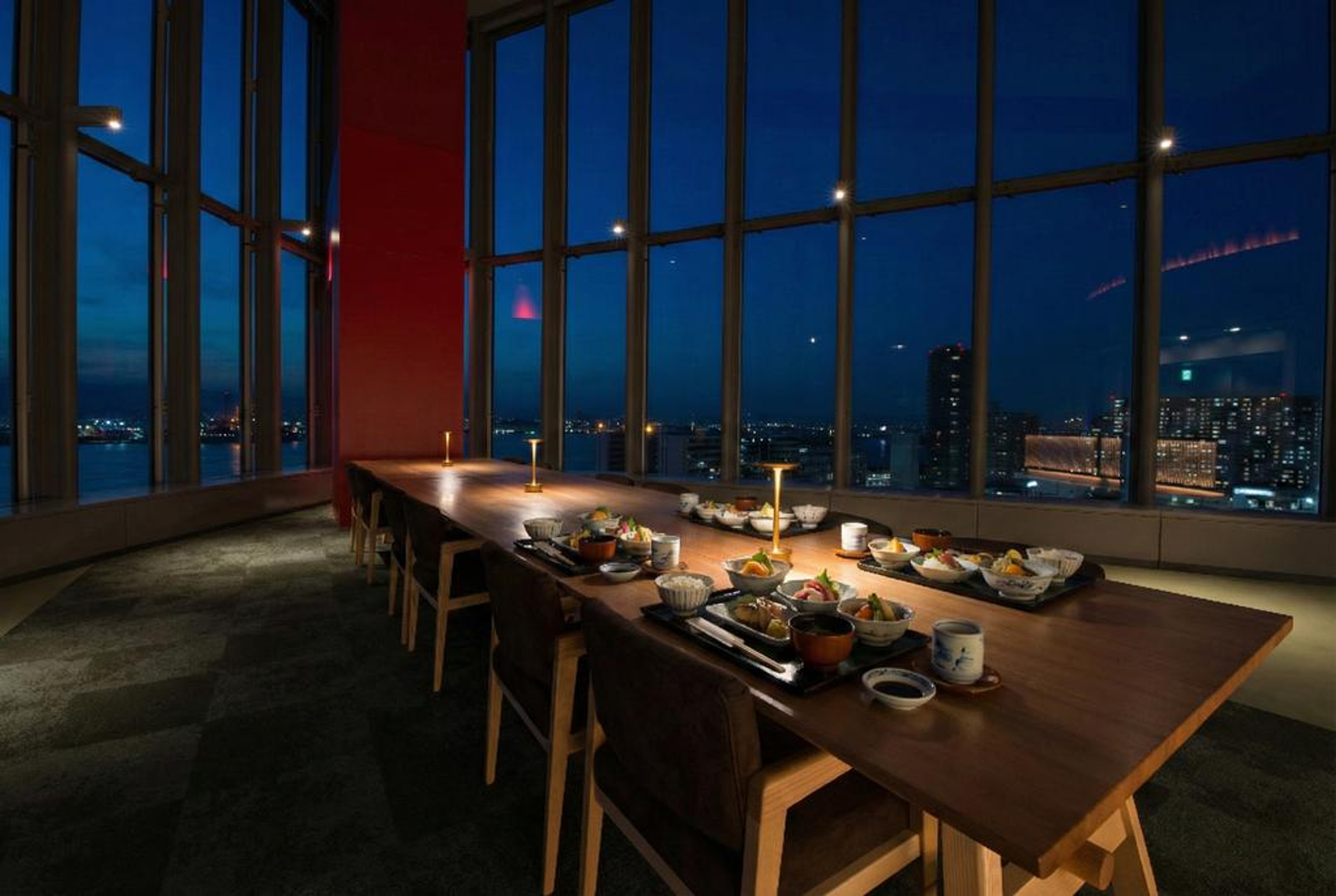
Luxury executive dining table with Osaka Bay sunset view
VIP Ready

Why Osaka Sets the Stage for Executive Hospitality

Osaka's kuidaore food culture and deep omotenashi tradition make it Japan's most naturally suited city for high-impact executive dining.

Osaka holds a singular place in Japan's culinary landscape. The city's colloquial nickname — kuidaore (食い倒れ), loosely translated as "eat until you drop" — reflects centuries of genuine investment in food culture that no other Japanese city quite matches. For corporate hosts, that cultural baseline is a strategic asset: your guests arrive with high expectations, and Osaka's ecosystem of world-class chefs, private dining rooms, and waterfront venues makes meeting those expectations genuinely achievable.

The Osaka Bay Area Advantage

The Osaka Bay Area is emerging as the preferred zone for exclusive executive events — private venues here offer bay views, full catering flexibility, and 30–40% lower costs than central hotel banquet rooms.

Key Differentiator

18 Minutes

From central business districts via the Osaka Metro Chuo Line, yet feels removed from the noise and density of Umeda or Namba.


Step 01

Define Your Goals and Guest Profile

Start with clarity — the dinner's purpose, guest nationalities, seniority levels, and dietary sensitivities determine every downstream decision.

Delegation Size

Most premium private spaces in Osaka seat 12–20 for a formal dinner, or accommodate up to 100 standing.

Seniority Mix

Japanese executives expect seating hierarchy (kamiza/shimoza) to be respected — the seating chart matters.

International Composition

Multi-nationality groups require deliberate attention to dietary diversity and translated menus.

Dinner Purpose

Deal-closing events call for intimacy; welcome receptions can be slightly more relaxed formats.

Step 02

Choose the Right Venue Type in Osaka

The venue sets the tone for everything that follows — private standalone spaces consistently outperform hotel banquet rooms for groups under 25, where exclusivity and atmosphere carry more weight than scale.

Venue Type Best For Privacy Level Catering Flexibility Typical Cost
Hotel banquet room Groups 30+ with bundled catering Medium Low (hotel only) ¥400,000–¥800,000
Restaurant private room Intimate dinners of 6–12 High None (fixed menu) ¥15k–¥40k/head
Standalone private space e.g., ATC Lounge Groups 12–25, full control Very High High (any caterer) ¥100k–¥200k fee

*Typical costs excluding tax and per-head catering charges.
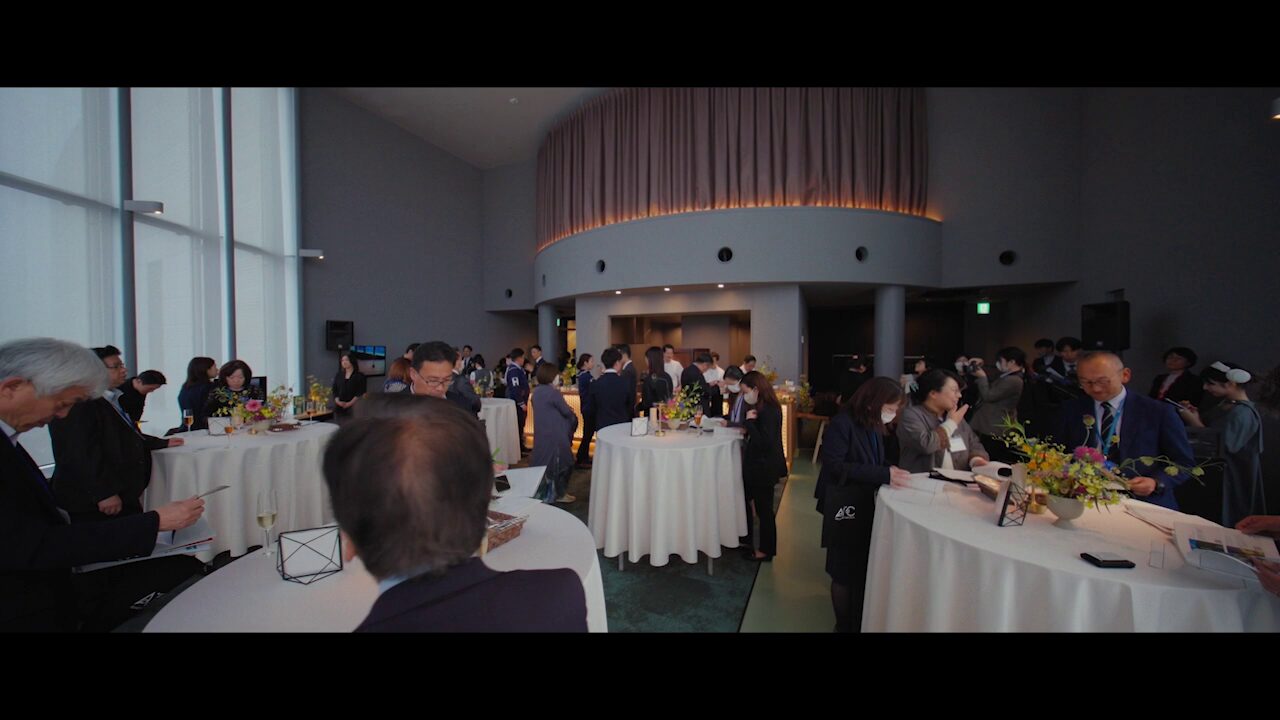
Elegant private dining room with panoramic bay view
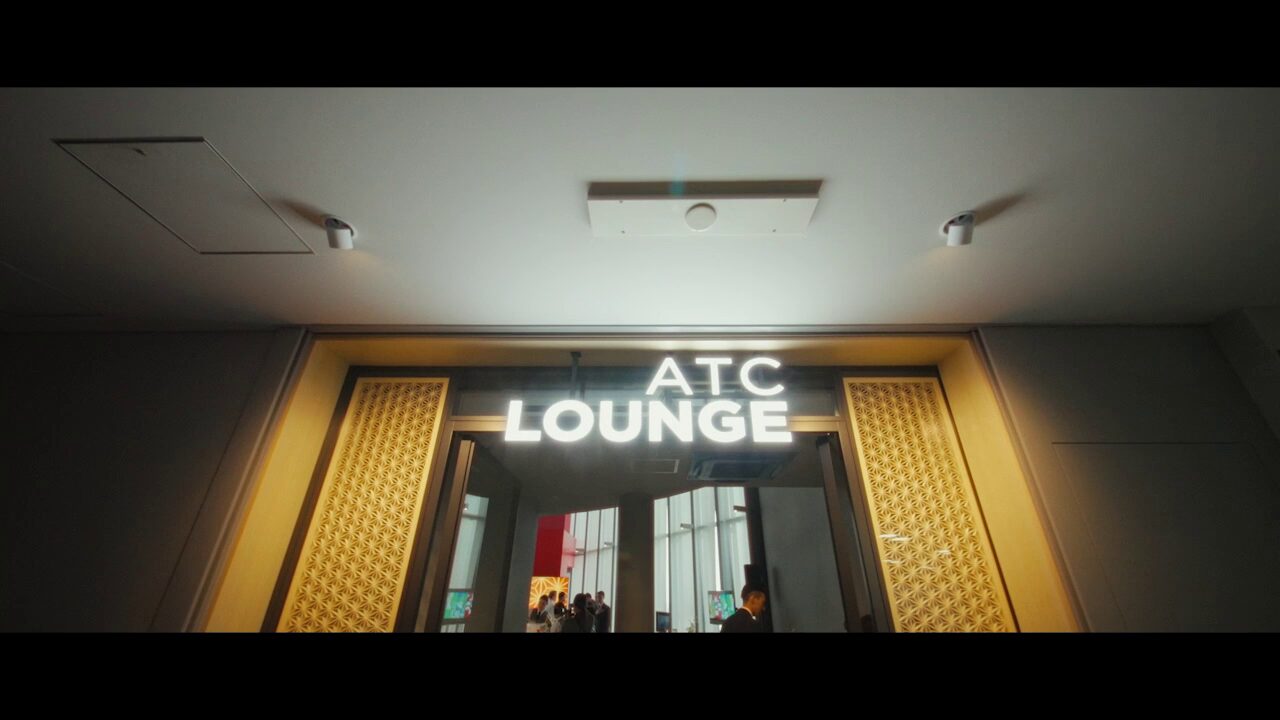
ATC Lounge 12th floor event space with panoramic Osaka Bay view at dusk

What Makes a Venue "VIP-Ready"

Not every private room earns the VIP designation. Look for these five elements before committing:

  • 🛡️
    Complete visual privacy

    No passers-by, no ambient public noise — absolute confidentiality.

  • 🎙️
    Full AV capability

    Presentation screen, wireless microphone, and dimmable ambient lighting.

  • 🍳
    Catering-capable kitchen

    Proper IH stoves and a service counter for on-site culinary finishing.

  • 🌊
    A memorable backdrop

    Bay views, skyline, or distinctive architecture that photographs well.

  • 👤
    Dedicated event support

    A point of contact for setup, guest arrival, and in-event needs.

For groups of 12–20 who need full privacy and on-site cooking capability, explore the 160㎡ dedicated event space at ATC Lounge.

View ATC Lounge Private Dining →
Step 03

Master Japanese Business Dining Etiquette

Japanese business dining operates on a clear set of unspoken protocols — seating hierarchy, toast ritual, and business card exchange signal respect before a single word of business is spoken.

Etiquette Micro-Glossary

Omotenashi
Hospitality offered unconditionally, with complete attention to the guest's comfort.
Kamiza/Shimoza
Seating positions: Kamiza (furthest from door) for the senior guest; Shimoza (nearest door) for the host.
Kanpai
The mandatory opening toast. Wait for all glasses to be filled.
Meishi
Business cards. Exchange with both hands and treat with extreme respect.

Seating Protocol

Arrange the seating chart before guests arrive. Place the most senior guest at kamiza. For round tables, senior guests sit with their back to the wall or window.

The Kanpai Ritual

Hold your glass slightly lower than that of your most senior Japanese guest as a gesture of respect. Keep opening remarks to 60–90 seconds.


Step 04

Plan the Menu and Handle Dietary Needs

The menu is a cultural statement. In Osaka it should reflect both the occasion's prestige and your genuine respect for every guest's dietary needs.
Navigating Dietary Diversity

  • Halal: Request written certification and confirm cross-contamination protocols for surfaces.
  • Vegetarian/Vegan: Specify "no fish products" explicitly to avoid dashi (fish stock).
  • Allergens: Professional caterers provide allergen sheets on request per Japan's Food Labeling Act.
  • Alcohol-free: Offer premium craft teas like shiboridashi cold-brews for a strong impression.
Exquisite Kaiseki dinner plating
Private kaiseki chef's table dinner setting with seasonal Japanese ingredients.

The Chef's Table Experience

For groups of 12–16, consider a private chef's table format: a single chef prepares each course on-site, narrating the technique as the evening progresses. It transforms dinner from a transaction into a memory.



Step 05

Manage Logistics, Technology, and Ambiance

🚗 Transportation

Guests from central Osaka reach Trade Center-mae in 18 min via Metro Chuo Line. Driving takes 20 min from Umeda.

💡 AV & Lighting

Zone-specific lighting, HDMI screens, and wireless microphones are essential for VIP presentations.

🌡️ Climate Control

Ensure HVAC is independently controllable within the private space to manage the heat of a full group.


Frequently Asked Questions

Book 8–12 weeks ahead for peak-season dates (March–June, Sept–Nov); 4–6 weeks is workable for off-peak weekday evenings.

Yes, with pre-arranged external catering. Venues with fully equipped kitchens allow certified caterers to prepare compliant meals on-site safely.

International guests receive cultural latitude, but demonstrating awareness of the kanpai ritual and meishi exchange is always highly appreciated.