Cultural Experience Integration Beyond Formal Meetings
Contemporary international hosting in Japan emphasizes experiential learning and cultural immersion alongside formal agendas.
Traditional approaches focused exclusively on reception dinners and formal entertainment, but modern best practices recognize that international delegates value authentic cultural experiences that facilitate learning and relationship deepening. Incorporating guided cultural activities—tea ceremony workshops, traditional craft demonstrations, or curated neighborhood tours—creates natural conversation opportunities outside formal settings where hierarchical barriers often soften.
When planning these experiences, prioritize quality over quantity: one well-executed cultural activity creates more lasting impressions than multiple superficial encounters. Partner with experienced cultural guides who can contextualize traditions for international audiences and facilitate genuine engagement rather than passive observation.
Dining experiences deserve particular attention, as shared meals provide crucial relationship-building time in Japanese business culture. Taking international visitors to well-selected restaurants demonstrates hospitality while creating relaxed environments for substantive conversations. Consider private dining rooms that offer cultural authenticity (kaiseki cuisine, sake pairing) with privacy for sensitive discussions.
Key Space Requirements and Technical Specifications
Modern delegation hosting demands integrated technology, flexible layouts, and acoustic design that supports hybrid participation.
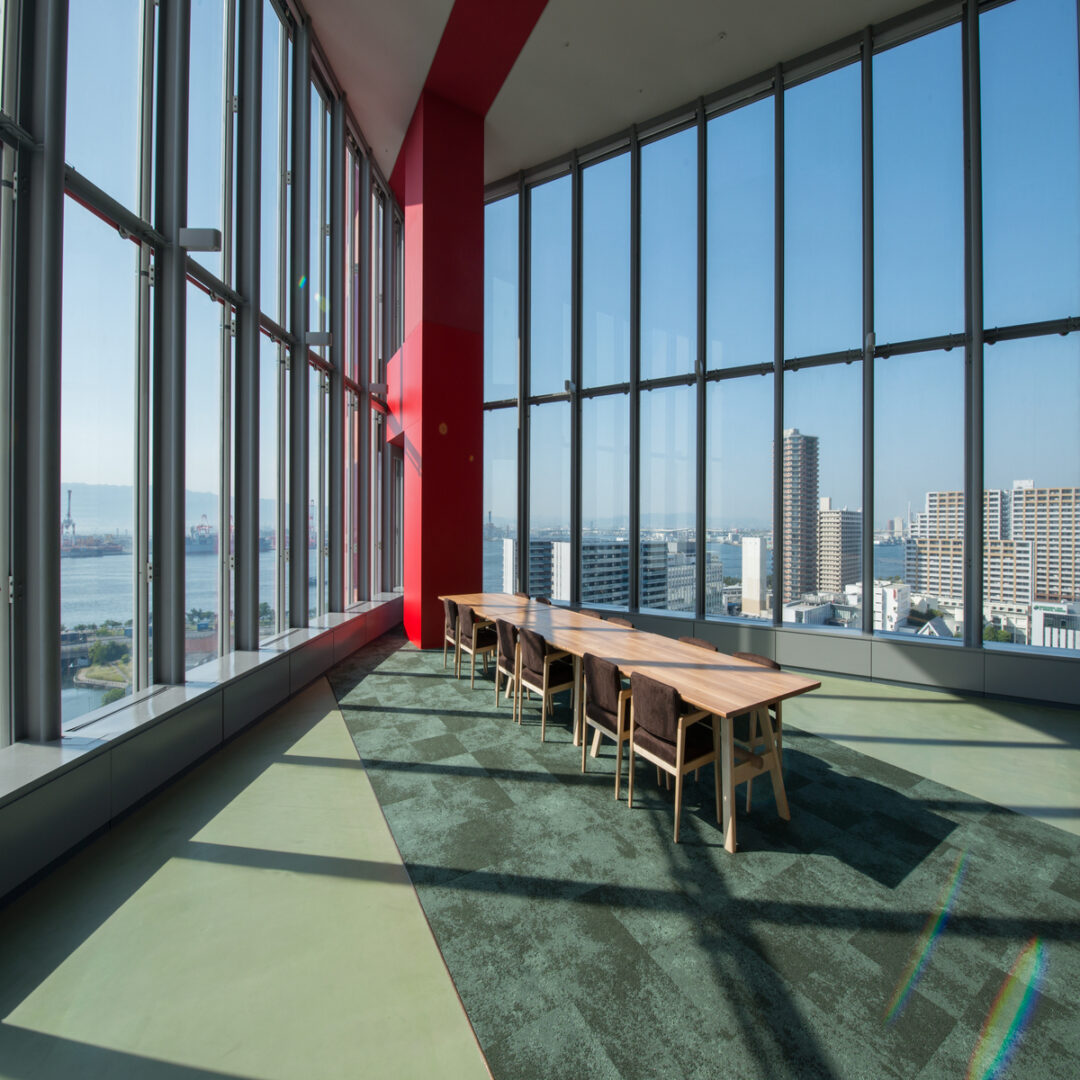
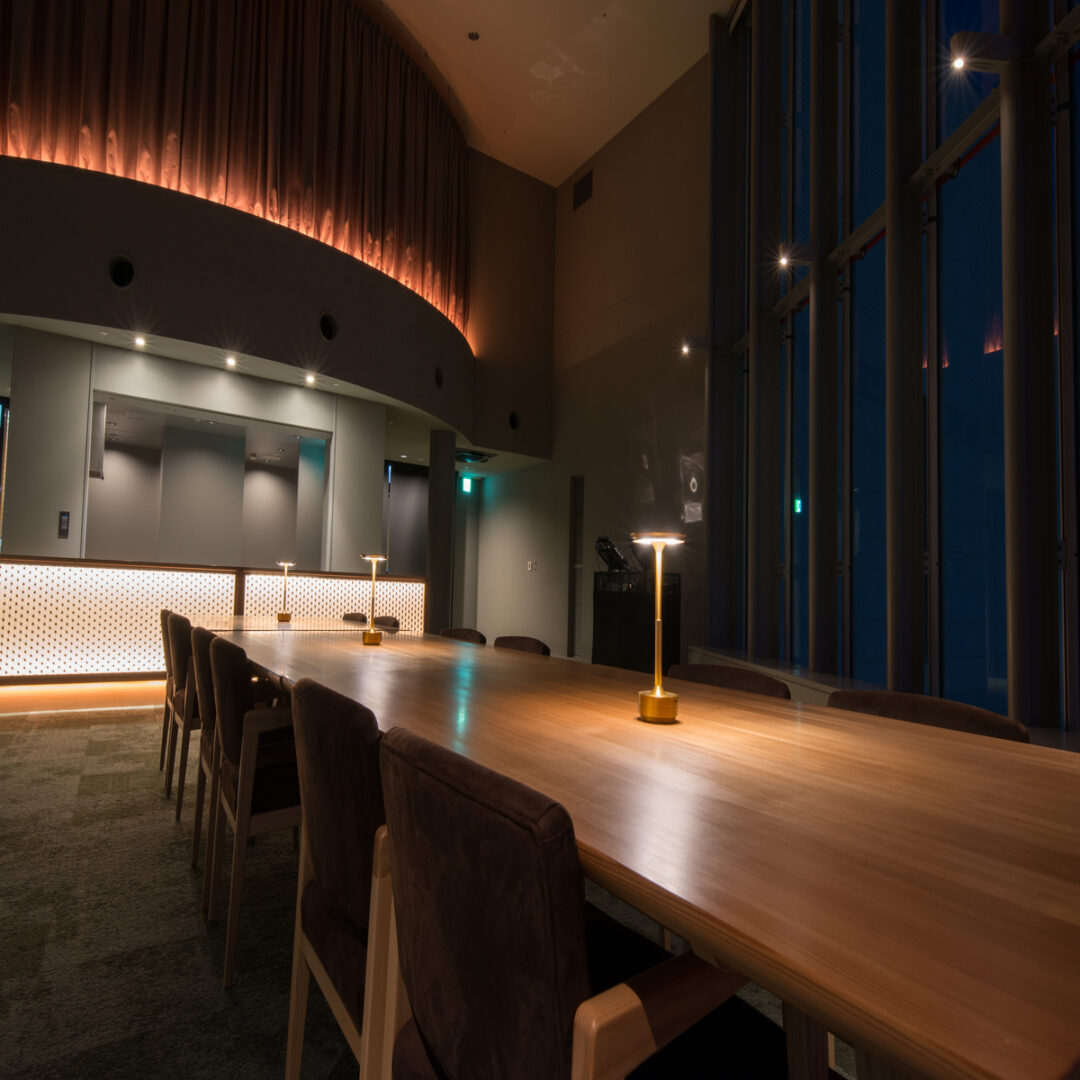
Executive meeting spaces require broadcast-grade audio to ensure speech clarity, lighting systems designed for both in-person presence and video confidence, and sightlines that make hybrid meetings feel natural and equitable. Table geometry should support discussion flow and decision-making rather than lecture-style presentations. Reliable, redundant technical systems protect against disruptions during high-stakes diplomatic moments.
Essential technical infrastructure includes dedicated high-speed internet (not shared public networks), multiple display options for different presentation modes, simultaneous interpretation facilities for multilingual delegations, and seamless integration between presentation technology and room controls. Privacy considerations may require signal-blocking capabilities, separate entrance/exit routes, and soundproofing that prevents eavesdropping.
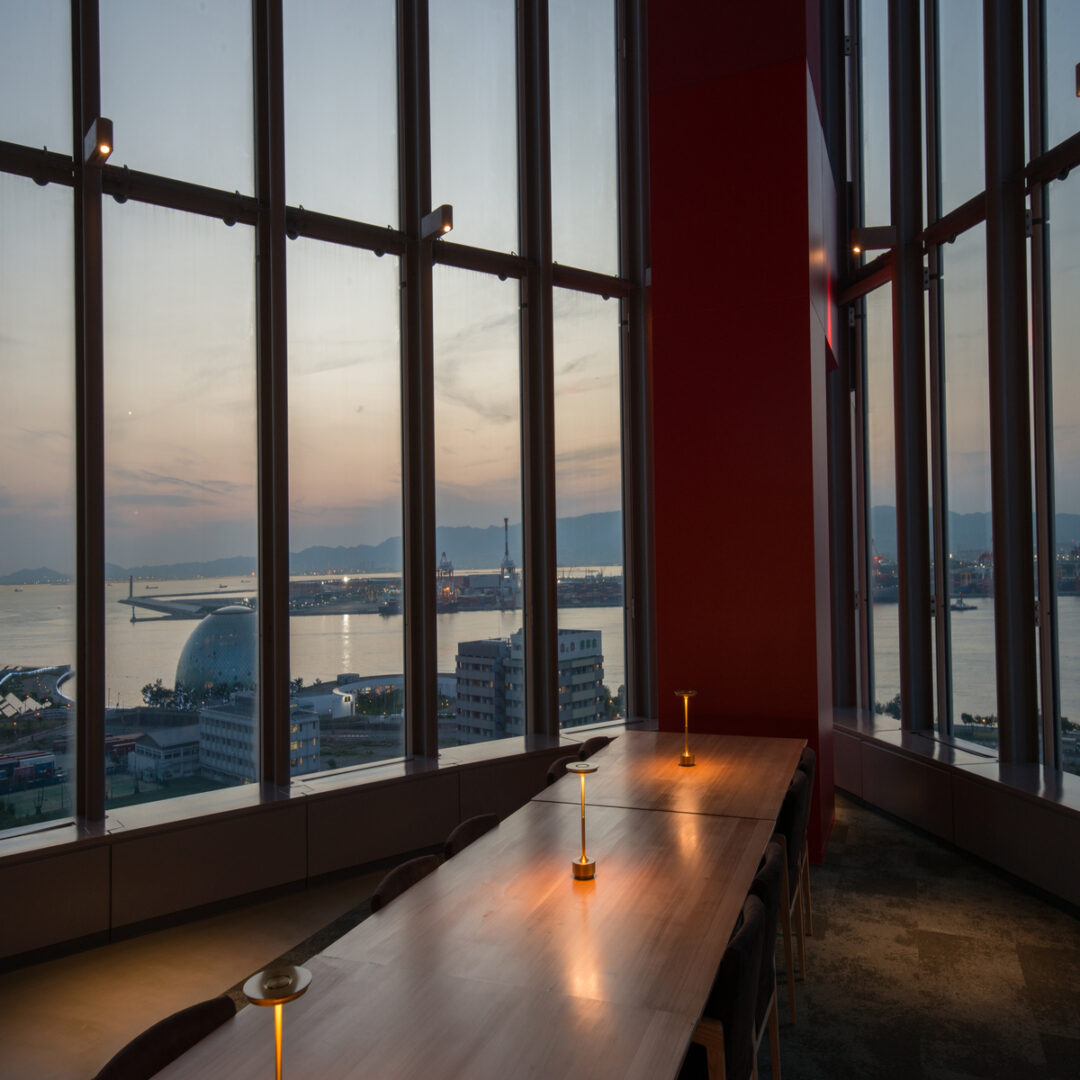
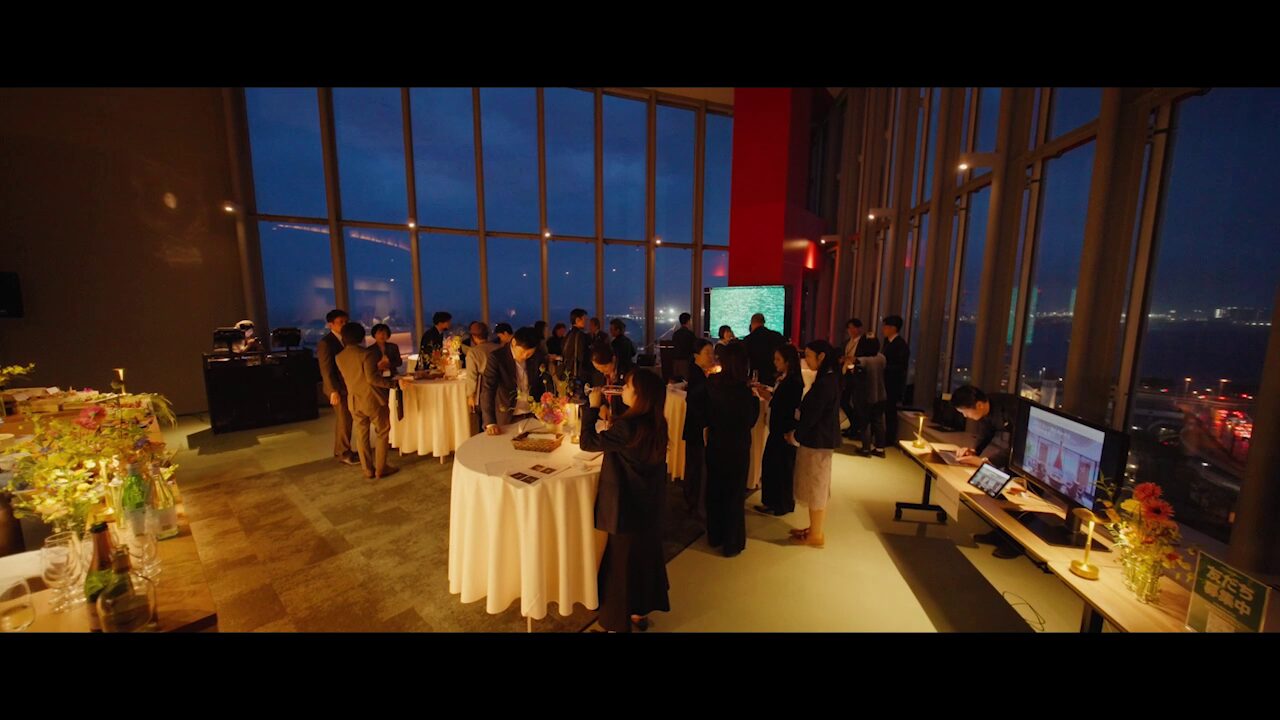
Support spaces complement main meeting areas: secure waiting rooms for delegation members, private preparation rooms for speakers, discrete catering service access, and multipurpose areas that can accommodate bilateral side meetings. Learn more about catering and dining service coordination for international delegation events. For venues positioning themselves for international executive use, explore comprehensive venue solutions designed for intimate delegation hosting.
Common Protocol Mistakes and How to Avoid Them
Even well-intentioned hosts can inadvertently cause offense through cultural misunderstandings—awareness prevents damage to diplomatic relationships.
Gift and Dining Missteps
Avoid gifts with brand logos prominently displayed, items in sets of four (unlucky number), or overly expensive items that create obligation. Never present or open gifts during initial greetings—wait until after formal discussions and expect Japanese recipients to accept modestly and set gifts aside. When hosting meals, research dietary restrictions thoroughly (halal, vegetarian, allergies) and confirm restaurant awareness of requirements.
Seating errors frequently occur when hosts fail to designate clear kamiza positions or inadvertently seat junior staff in honored positions. Always clarify seating arrangements in advance, mark places if necessary, and guide guests explicitly to avoid awkward confusion.
Communication and Meeting Structure Issues
Rushing through agendas without allowing appropriate silence for consideration signals disrespect for Japanese decision-making processes. Structure meetings with adequate time buffers between agenda items, recognize that consensus-building requires patience, and understand that decisions often occur after formal meetings through internal consultation.
Failing to provide materials in advance prevents Japanese participants from conducting internal coordination necessary for substantive engagement. Distribute detailed agendas, background documents, and discussion materials at least one week before meetings. Poor follow-up after events—delayed thank-you messages, absent next-step communication—undermines relationship momentum that delegation visits should build.
Leveraging Osaka's Strategic Advantages
Osaka's cultural authenticity, business-focused atmosphere, and strategic positioning create unique advantages for international delegation programs.
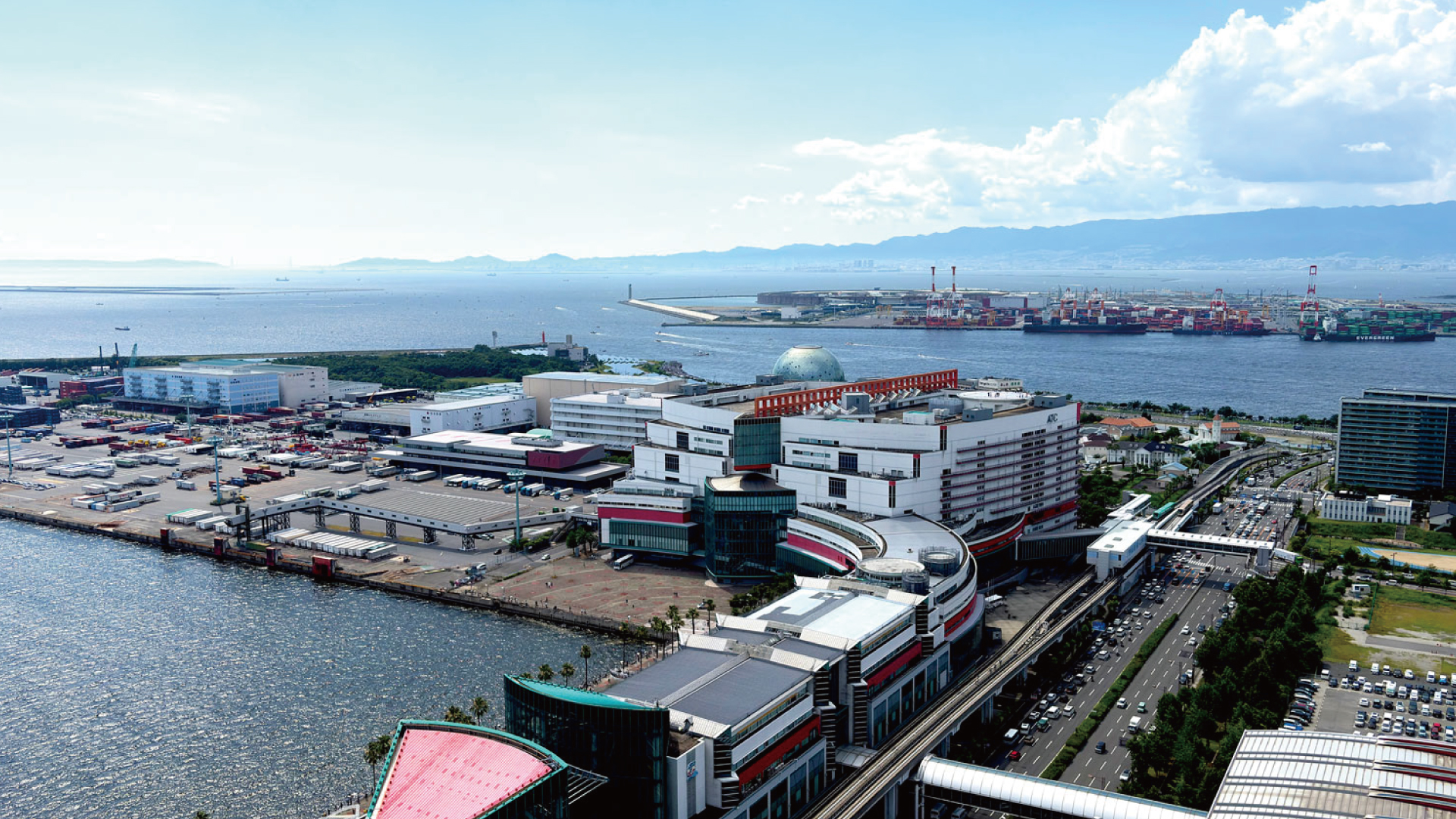
Unlike Tokyo's overwhelming scale, Osaka's more compact layout allows delegation schedules to incorporate diverse experiences—historic landmarks, modern business districts, traditional crafts, and contemporary innovation centers—without excessive transit time. International delegations benefit from reviewing accommodation options near major venues to minimize transit and maximize relationship-building time. The city's culinary reputation (often called "Japan's kitchen") provides memorable dining experiences that naturally facilitate relationship building.
For international organizations seeking to establish Japan presence or deepen existing relationships, Osaka offers lower costs than Tokyo while maintaining world-class quality, creating budget efficiency for delegation programs requiring multiple site visits or extended timelines. Ready to explore venue options suited to your delegation's specific needs? View comprehensive facility features and booking information.