Rent a Venue with a Commercial Kitchen in Osaka: Where to Bring Your Own Private Chef
By ATC Lounge Editorial·
Commercial kitchen venues that permit external chefs are rare in Osaka's luxury hospitality market—but they offer unmatched culinary flexibility for discerning hosts. Discover where to find them, what they cost, and how to navigate Japan's regulations for a flawless executive dining experience.
Looking for a venue in Osaka where you can bring your own private chef for an intimate corporate dinner or luxury celebration? Commercial kitchen venues that permit external chefs are rare in Osaka's luxury hospitality market, but they offer unmatched culinary flexibility and personalization for discerning hosts. This guide explains where to find them, what they cost, and how to navigate Japan's commercial kitchen regulations for a flawless executive dining experience.
Can You Bring Your Own Chef to Event Venues in Osaka?
Yes, but only to venues with valid Food Sanitation Act licenses and commercial kitchen facilities—most luxury venues enforce in-house catering restrictions.
The majority of high-end hotels and event spaces in Osaka require you to use their in-house catering services. However, a small number of commercial kitchen venues legally permit external private chefs, provided the facility holds proper restaurant business licenses from local public health centers. For corporate entertainment buyers and luxury event planners seeking total menu control, these BYO (bring your own) catering venues deliver strategic advantages: dietary customization for international guests, transparent pricing without hidden minimums, and the ability to hire specialized chefs like sushi masters or French-trained culinary experts.
Platforms like Take a Chef connect you with professional private chefs in Osaka, but finding the right venue remains the critical first step.
Why Most Luxury Venues Restrict Your Culinary Vision
In-house catering policies limit menu flexibility, enforce minimum spending requirements, and restrict vendor choice to protect venue profit margins.
Traditional luxury venues—from five-star hotels to established banquet halls—typically require in-house catering because it generates significant revenue. These restrictions mean you'll face standardized menu options, fixed per-plate pricing (often with minimums regardless of guest count), and limited accommodation for dietary restrictions or cultural preferences.
For example, if a venue's in-house minimum is ¥1,000,000 for 80 guests but you're hosting only 20 executives, you still pay the full amount. Moreover, coordination with in-house teams can feel transactional rather than consultative, leaving little room for the personalized culinary storytelling that strengthens business relationships. As The Christy's venue experts explain, understanding these policy differences is essential for event planners.
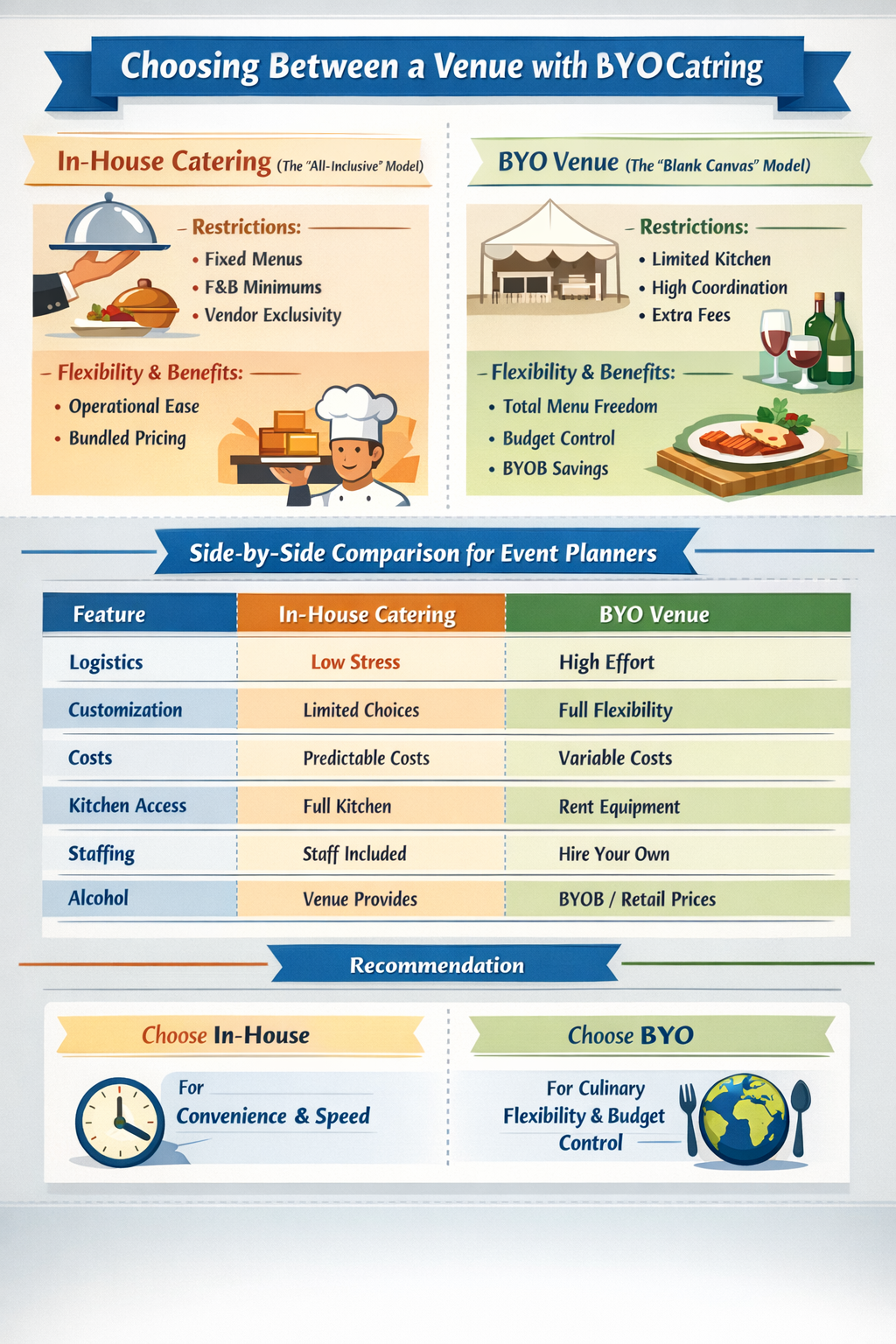
Comparison of venue catering policy types: in-house vs. BYO restrictions
What Makes a Commercial Kitchen Venue Different from Standard Event Spaces
Commercial kitchen venues meet strict Japanese health regulations with professional-grade equipment, proper licensing, and separated food preparation zones—standard event spaces offer only basic pantries.
A legitimate commercial kitchen venue in Osaka must comply with Japan's Food Sanitation Act, which mandates restaurant business licenses from local public health centers, certified Food Hygiene Managers on staff, and physical separation between kitchen and dining areas.
The kitchen infrastructure includes commercial-grade ranges and ovens, walk-in refrigeration, professional prep stations, industrial dishwashing facilities, and adequate power/gas/water utilities. This regulatory framework ensures food safety for your guests while enabling private chefs to execute complex multi-course menus. Therefore, generic conference rooms with coffee stations cannot legally host chef-prepared dining experiences—only properly licensed commercial kitchen facilities qualify.
The Business Case for Bringing Your Own Private Chef
BYO catering delivers unlimited vendor freedom, cost transparency, cultural menu customization, and intimate chef-attended experiences that strengthen client relationships.
When you rent a venue with a commercial kitchen in Osaka that permits external chefs, you unlock several strategic advantages for corporate entertainment:
Menu Customization
Accommodate halal requirements for Middle Eastern partners, feature Kobe beef for American executives, or design vegan tasting menus for sustainability-focused clients.
Pricing Transparency
Pay the private chef's quoted rate (typically ¥9,487–¥10,733 per person in Osaka) plus venue rental, with no surprise service charges.
Specialized Talent
Hire a Michelin-trained chef, a traditional kaiseki master, or an interactive sushi chef who engages guests tableside.
Relationship Building
Create memorable dining moments for intimate 15–25 guest gatherings where meaningful business conversations flourish.
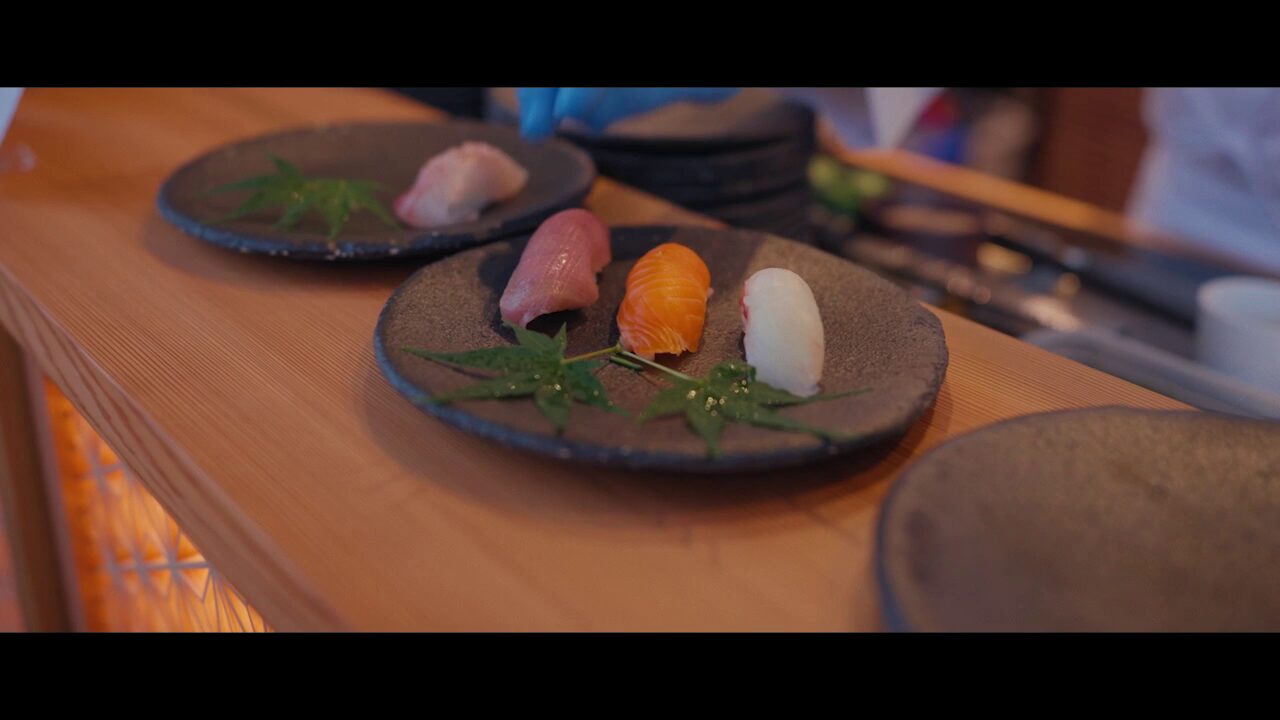
Private chef preparing sushi at a commercial kitchen venue with bay view backdrop
Legal Requirements for Commercial Kitchen Events in Japan
Venues must hold Food Sanitation Act licenses from public health centers, employ certified Food Hygiene Managers, and maintain separated kitchen/dining zones.
Japan's regulatory framework for commercial kitchens prioritizes consumer safety through rigorous standards. Any venue offering commercial kitchen rental for private chef events must secure a restaurant business license from the jurisdiction's public health center, which inspects facility design, ventilation systems, and sanitation protocols.
Additionally, the venue must appoint a Food Hygiene Manager—a staff member who completes official certification training to oversee food storage, preparation, and service compliance. The Regulations for Enforcement of the Food Sanitation Act detail these specific requirements.
As an event host, you don't need permits yourself, but you should verify your chosen venue maintains current licenses and confirm your private chef carries appropriate liability insurance. Furthermore, ask whether the venue's licensing covers external caterers or only in-house operations, as some facilities hold restricted permits.
How to Choose the Right Private Chef for Corporate Events in Osaka
Evaluate chef portfolios, verify experience with your cuisine preferences, confirm group size capacity, and discuss dietary accommodation capabilities during initial consultations.
Osaka's private chef market offers diverse talent through platforms like Take a Chef, MiumMium, and Cozymeal. When selecting a chef for corporate entertainment, prioritize experience with business dining—chefs who understand pacing for conversation, elegant plating for photography, and discretion with confidential discussions.
Request sample menus that reflect your desired cuisine style (Japanese kaiseki, French fine dining, fusion concepts), and confirm the chef can accommodate dietary restrictions for vegetarian, vegan, halal, kosher, or allergy-specific requirements. Most private chefs in Osaka serve groups of 3–15 guests optimally, though commercial kitchen venues extend this capacity to 15–25 while maintaining intimate quality.
During your consultation, discuss kitchen access timing—chefs typically need 2 hours for mise en place before service begins—and clarify what equipment the venue provides versus what the chef brings. For comprehensive support, discover event support services and planning assistance from professional venues.
Essential Features Your Commercial Kitchen Venue Must Provide
Confirm professional cooking equipment, adequate refrigeration, prep counter space, commercial-grade utilities, and pre-event kitchen access for chef setup.
Before booking, verify the venue's commercial kitchen specifications align with your chef's needs. Essential equipment includes:
Commercial gas or electric ranges with multiple burners for simultaneous cooking
Convection or combi ovens for baking, roasting, and precision temperature control
Walk-in or reach-in refrigeration and freezer units for ingredient storage
Stainless steel prep stations with cutting boards and handwashing sinks
Commercial dishwashing equipment for hygiene compliance and efficient cleanup
Adequate power, gas, and water connections to support high-volume cooking
Additionally, confirm the venue permits minimum 2-hour pre-event kitchen access for chef preparation, and clarify cleanup responsibilities and fees. Some venues include kitchen cleanup in rental fees, while others charge separately or require the chef to handle it. Resources like commercial kitchen equipment guides can help you evaluate specifications.
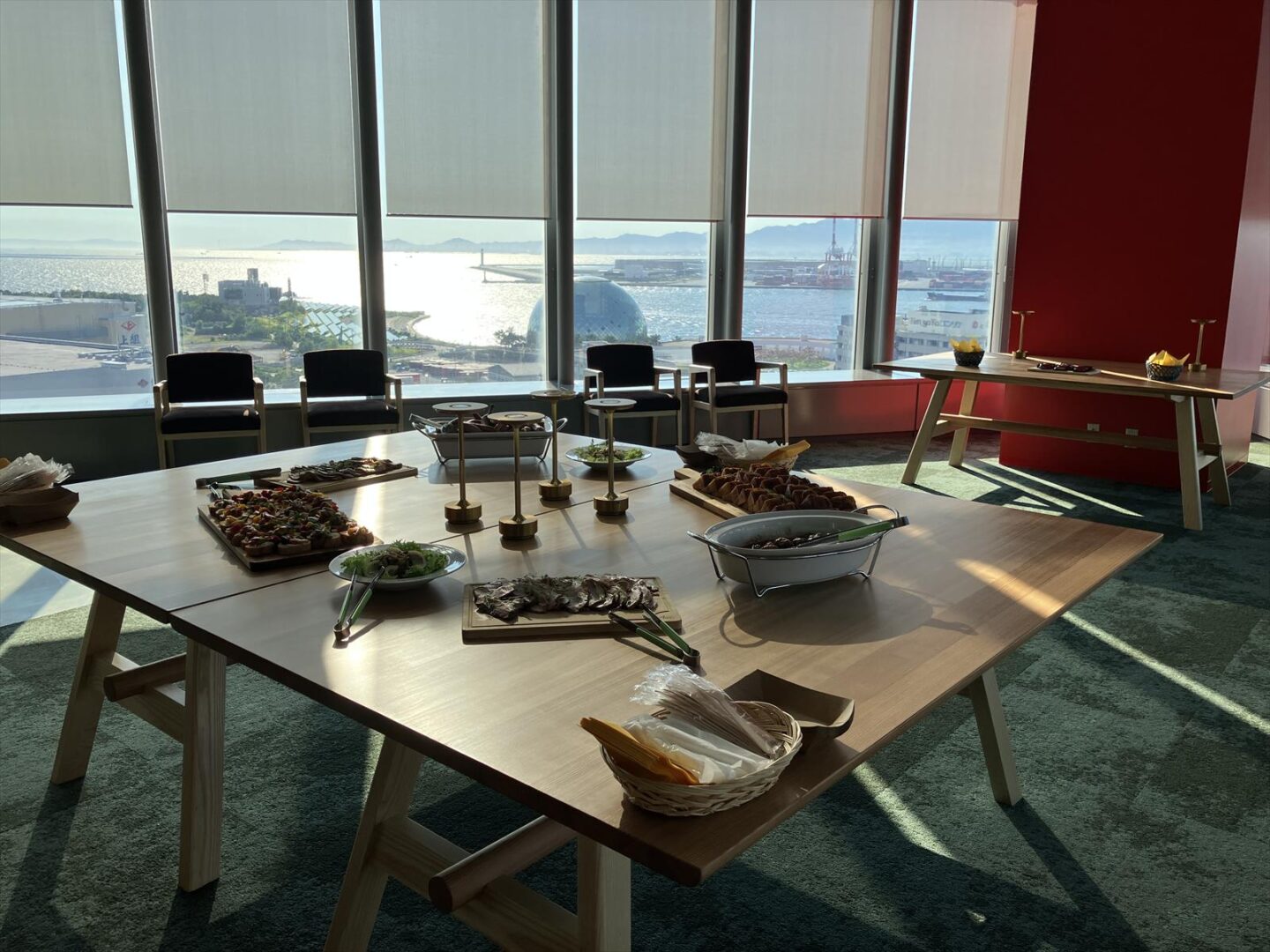
ATC Lounge in party usage showcase
Comparing Osaka Venues That Allow External Private Chefs
ATC Lounge offers intimate luxury with bay views and full kitchen control; OSAKA FOOD LAB provides food-business-focused space; traditional restaurants rarely permit external chefs.
Osaka's commercial kitchen venue landscape includes several distinct options:
Feature
ATC Lounge
OSAKA FOOD LAB
Luxury Hotels
Traditional Restaurants
External Chef Allowed
✓ Yes
✓ Yes
✗ In-house only
✗ Own kitchen
Commercial Kitchen
✓ Full
✓ Full (3 kitchens)
⚠ Limited access
✗ No access
Optimal Capacity
15–25 guests
30–100 guests
30–60 guests
8–20 guests
Panoramic Views
✓ Osaka Bay
✗ No
⚠ City views
✗ Interior only
Design Aesthetic
Japanese modern luxury
Industrial
Western luxury
Traditional Japanese
Pricing Tier
Premium
Mid-range
Very high
High
Best For
Executive dining
Food events/startups
Large galas
Traditional dining
ATC Lounge positions itself as an exclusive luxury venue for 15–25 guest corporate dinners, featuring panoramic Osaka Bay views, Japanese modern design, and a fully equipped commercial kitchen that permits any private chef you choose—ideal for C-suite entertainment and international business hosting. Explore ATC Lounge features and amenities to see the full offering.
OSAKA FOOD LAB operates as a food business incubator with three professional kitchens, serving startups and food-related events but with more industrial ambiance than intimate luxury settings.
Meanwhile, high-end hotels offer private dining rooms but enforce in-house catering restrictions, limiting culinary flexibility despite impressive facilities. For corporate hosts prioritizing relationship-building ambiance and total menu control, boutique commercial kitchen venues deliver advantages that generic event halls and restrictive luxury hotels cannot match.
Private chef services in Osaka range ¥9,487–¥10,733 per person; venue rental varies by capacity and amenities, creating transparent total event costs.
When you rent a venue with a commercial kitchen and hire a private chef separately, budgeting becomes straightforward. Private chef pricing in Osaka through services like Take a Chef averages ¥9,487 per person for groups of 7–12, ¥9,886 for 3–6 people, and ¥10,733 for couples.
This fee includes menu customization, ingredient purchasing, preparation, full table service, and kitchen cleanup—significantly more transparent than in-house catering packages with hidden service charges. Venue rental fees depend on capacity, location, and amenities; intimate luxury venues typically charge based on event duration and guest count. To understand specific costs, view detailed ATC Hall pricing and fee structure.
For a 20-person executive dinner, expect total costs around ¥200,000–¥300,000 (venue) plus ¥190,000–¥215,000 (chef), delivering a premium experience at predictable pricing without surprise minimums.
Common Mistakes When Renting Kitchen-Equipped Venues
Insufficient pre-event kitchen access, equipment mismatches with chef requirements, unclear cleanup responsibilities, and overlooked licensing verification create avoidable problems.
First-time hosts often underestimate kitchen access timing—if your chef needs 2 hours for mise en place but the venue only grants 1 hour, you'll face service delays and rushed plating.
Second, failing to confirm equipment specifications can derail your menu; for example, if your chef plans flambé desserts but the venue lacks proper ventilation or fire suppression, you'll need last-minute menu changes.
Third, ambiguous cleanup terms lead to surprise fees or disputes; clarify whether kitchen cleaning is included, charged separately, or the chef's responsibility.
Additionally, some hosts forget to verify the venue's current Food Sanitation Act license status or confirm the facility permits external chefs rather than only in-house catering—assumptions that create legal and operational risks. For answers to common questions, review frequently asked questions about ATC facilities.
Why ATC Lounge Solves the Intimate Luxury Dining Challenge
Osaka Bay panoramic views, 15–25 guest capacity optimization, Japanese modern design, and full commercial kitchen with zero catering restrictions deliver turnkey executive dining.
ATC Lounge addresses the specific pain point corporate entertainment buyers face: finding a venue that combines luxury ambiance, culinary flexibility, and intimate scale for high-stakes business relationship building.
The venue's panoramic Osaka Bay views create natural conversation flow during sunset-to-nighttime dining, while Japanese modern design impresses international partners with authentic cultural sophistication. Most importantly, the on-site commercial kitchen permits any private chef you select, enabling total menu control for dietary requirements, cultural preferences, or theatrical culinary experiences like live sushi preparation or tableside wagyu service.
For C-suite hosts seeking a venue that elevates business dining beyond generic hotel ballrooms, ATC Lounge delivers a rare combination of regulatory compliance, culinary freedom, and memorable luxury. You can view access by public transportation with detailed routes for your guests' convenience.
Intimate dinner setup with Osaka Bay night view through floor-to-ceiling windows
Making Your Reservation: What to Ask Before You Book
Confirm current Food Sanitation Act license, verify external chef policy in writing, clarify kitchen equipment inventory, and establish pre-event access timing.
When evaluating commercial kitchen venues in Osaka, use this venue selection checklist:
Can I legally bring my own private chef to an event venue in Osaka?
Yes, but only to venues with valid Food Sanitation Act commercial kitchen licenses that permit external catering.
The venue must hold a restaurant business license from Osaka's public health center, employ a certified Food Hygiene Manager, and explicitly allow external chefs rather than only in-house catering. As the event host, you don't need permits, but verify your chosen venue maintains proper licensing and confirm your private chef carries liability insurance. Most luxury hotels and traditional banquet halls enforce in-house catering restrictions, so specifically seek commercial kitchen venues that advertise BYO (bring your own) catering policies.
What's the difference between a commercial kitchen venue and a regular event space?
Commercial kitchens meet strict Japanese health regulations with professional equipment, proper licensing, and separated food preparation zones—standard event spaces offer only basic pantries.
Commercial kitchen venues comply with Japan's Food Sanitation Act, requiring restaurant business permits, certified Food Hygiene Managers, commercial-grade appliances (ranges, ovens, refrigeration), industrial ventilation, and physical separation between kitchen and dining areas. Regular event spaces typically provide coffee stations or small pantries unsuitable for chef-prepared multi-course dining. Therefore, if you plan to hire a private chef, you must book a properly licensed commercial kitchen facility, not a generic conference room.
How much does it cost to hire a private chef in Osaka?
Private chef services in Osaka range ¥9,487 to ¥10,733 per person depending on group size, including menu design, shopping, preparation, service, and cleanup.
According to Take a Chef, pricing varies by guest count: ¥9,487 per person for 7–12 guests, ¥9,886 for 3–6 people, and ¥10,733 for couples. These rates include full-service coordination—menu customization, ingredient purchasing, mise en place, table service, and kitchen cleanup—making costs transparent compared to in-house catering packages with hidden service charges. Additionally, prices may fluctuate seasonally (higher during cherry blossom season or year-end corporate entertaining periods), so book early for popular dates.
What are the benefits of bringing my own chef instead of using venue catering?
BYO catering delivers unlimited vendor freedom, transparent pricing, full menu customization for dietary and cultural needs, and intimate chef-attended experiences that strengthen relationships.
When you bring your own private chef to a commercial kitchen venue, you gain total culinary control—hire specialized talent (Michelin-trained chefs, traditional kaiseki masters, interactive sushi experts), accommodate any dietary restrictions (halal, kosher, vegan, allergies), and design culturally appropriate menus for international business guests. Pricing becomes transparent without hidden minimums; you pay the chef's quoted rate plus venue rental, avoiding surprise service charges common in in-house catering contracts. Moreover, private chefs create interactive dining experiences like tableside preparation and personalized service that generic banquet staff cannot replicate—particularly valuable for the intimate 15–25 guest corporate dinners where relationship-building matters most.
How many guests can a private chef typically serve?
Most private chef services are designed for intimate groups of 3–15 guests; commercial kitchen venues extend this to 15–25 while maintaining quality and personalization.
Private chef experiences prioritize intimacy and customization, with optimal service quality for smaller gatherings. However, when you rent a venue with a commercial kitchen equipped with professional-grade appliances and prep space, chefs can accommodate slightly larger groups (15–25 guests) without compromising the personalized attention and interactive elements that make private chef dining memorable. For corporate entertainment, this 15–25 guest range creates ideal conversation dynamics—large enough for meaningful business networking yet intimate enough for executives to engage in substantive relationship-building discussions.
What kitchen equipment should the venue provide?
Essential commercial kitchen equipment includes gas/electric ranges, convection ovens, refrigeration units, prep stations, dishwashing facilities, and adequate power/gas/water utilities.
Before booking, confirm the venue offers commercial-grade cooking appliances (multi-burner ranges, convection or combi ovens for precise temperature control), adequate refrigeration and freezer storage for ingredient safety, stainless steel prep counters with sinks for sanitation, and commercial dishwashing equipment for efficient cleanup. Additionally, verify utility capacity—professional cooking demands high-BTU gas connections or sufficient electrical power for multiple appliances running simultaneously. Ask the venue for a detailed equipment inventory and share it with your private chef during menu planning to ensure compatibility.
How much advance time does a private chef need for event preparation?
Private chefs typically require 2 hours of pre-event kitchen access for mise en place (ingredient prep and equipment setup), plus service time and cleanup.
Professional private chefs need adequate preparation time to deliver flawless multi-course dining experiences. The standard 2-hour pre-event window allows for ingredient organization, equipment staging, initial cooking steps (stocks, sauces, par-cooking proteins), and workspace familiarization. After your dinner service concludes, chefs require an additional 1–2 hours for kitchen cleanup, including dishwashing, surface sanitization, and waste disposal. When booking your commercial kitchen venue, confirm these extended access hours are included in rental fees or if additional charges apply—insufficient time creates rushed service and compromised quality.
Can private chefs accommodate dietary restrictions and allergies?
Yes, accommodating dietary restrictions and allergies is a core advantage of private chef services—chefs customize menus for vegetarian, vegan, halal, kosher, gluten-free, and allergy-specific requirements.
Private chefs excel at personalized menu design that in-house catering departments often struggle to deliver. During your initial consultation, provide detailed information about guest dietary needs, cultural food requirements, and severe allergies—chefs will propose customized menus that safely accommodate every restriction while maintaining culinary excellence. This flexibility proves particularly valuable for corporate entertainment with international guests, where respecting cultural dietary practices and managing diverse preferences demonstrates thoughtfulness that strengthens business relationships.
ATC Lounge Editorial Team
Corporate Events & Venue Specialists
The ATC Lounge editorial team combines expertise in luxury hospitality, corporate event planning, and Osaka's venue landscape. We help C-suite executives and international business professionals discover unique spaces for memorable dining experiences overlooking Osaka Bay. Our insights draw from years of hosting high-stakes corporate events where culinary excellence meets strategic relationship building.